Top Skills Children Gain from Creative Learning Environments


Introduction to Creative Learning Environments
Creative learning environments are essential for fostering a child's development in numerous ways. These settings encourage children to explore, imagine, and express themselves freely. In such environments, children are not only having fun but also acquiring essential skills that will benefit them throughout their lives.
Enhancing Problem-Solving Skills
One of the key advantages of creative learning environments is the enhancement of problem-solving skills. Children are often presented with challenges that require them to think critically and find solutions. This process helps them develop the ability to analyze situations and make informed decisions.
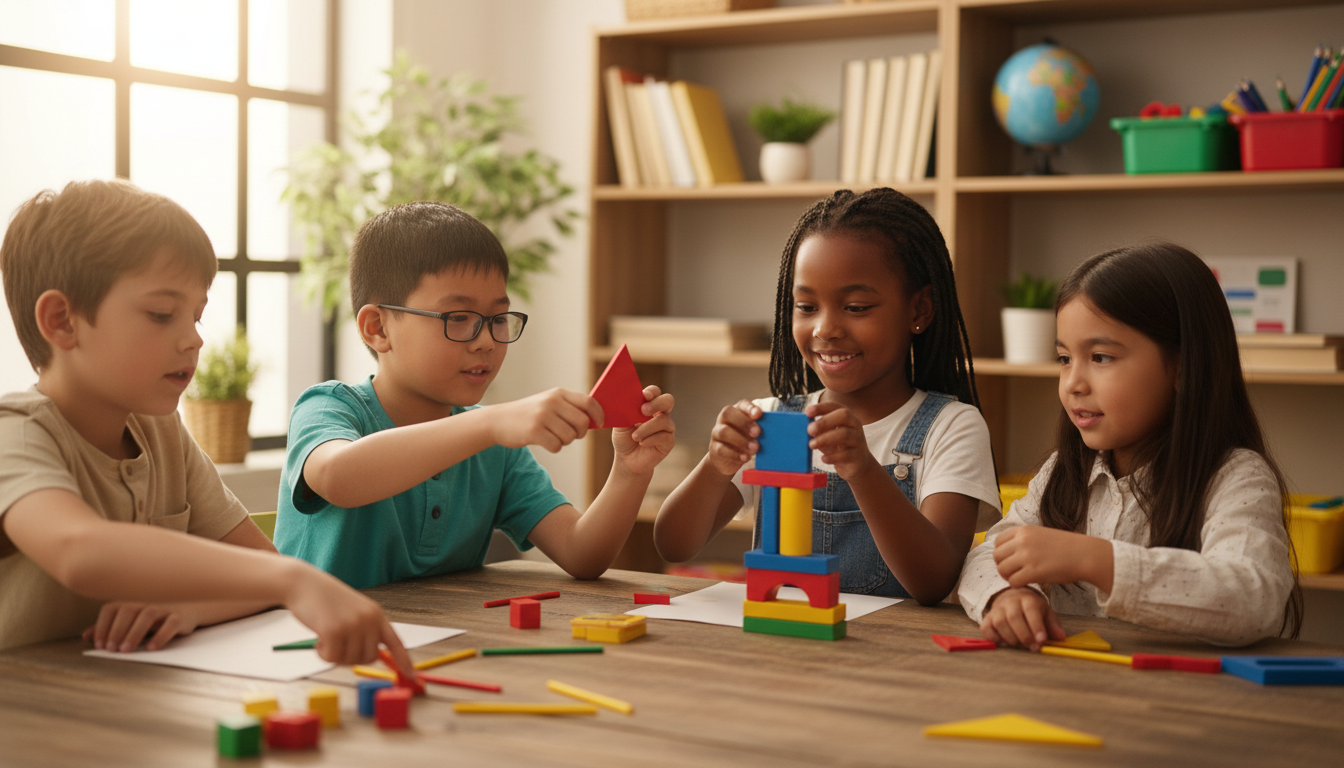
Activities such as building blocks, puzzles, and interactive games are excellent tools for promoting these skills. By engaging in these activities, children learn to approach problems methodically and creatively.
Boosting Cognitive Flexibility
Cognitive flexibility is another important skill nurtured in creative learning settings. This ability allows children to adapt to new information and shifts in circumstances. Engaging in activities that require them to think outside the box helps enhance this flexibility, preparing them for a rapidly changing world.

Encouraging Emotional Intelligence
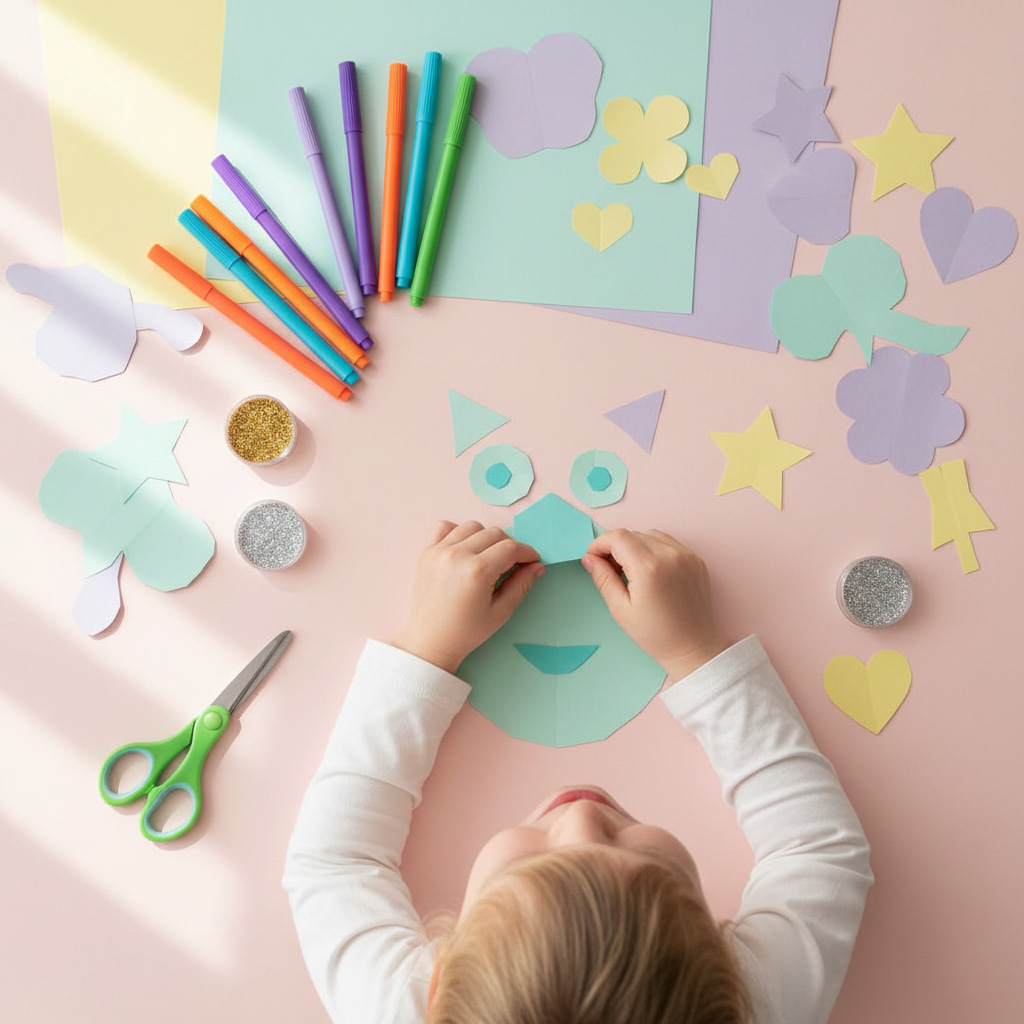
Creative environments also play a crucial role in developing emotional intelligence. Through collaborative play and artistic expression, children learn to understand and manage their emotions. They also develop empathy by recognizing and respecting the feelings of others.
Role-playing activities and group projects are particularly effective in teaching emotional intelligence. These activities provide opportunities for children to express themselves and understand diverse perspectives.
Fostering Communication Skills
Communication is a vital skill that is often enhanced in creative learning environments. Children are encouraged to express their ideas, listen to others, and work together towards common goals. This collaborative atmosphere promotes effective communication and interpersonal skills.

Building Confidence and Self-Esteem
Participating in creative activities helps build a child's confidence and self-esteem. As they explore new ideas and complete projects, they gain a sense of accomplishment. This boosts their self-confidence, encouraging them to take on new challenges with enthusiasm.
Creative environments provide a safe space for children to express themselves without fear of judgment. This nurturing atmosphere is crucial for building a positive self-image.
Promoting Innovation and Creativity
Lastly, creative learning environments naturally promote innovation and creativity. Children are encouraged to think imaginatively, experiment with new ideas, and explore different possibilities. This mindset is essential for innovation and can lead to groundbreaking ideas in the future.
By fostering creativity, these environments prepare children for a world that increasingly values innovative thinking and problem-solving abilities.
Conclusion
Creative learning environments are vital for the holistic development of children. By enhancing problem-solving skills, cognitive flexibility, emotional intelligence, communication, confidence, and creativity, these settings equip children with the tools they need for success in life. Encouraging creativity from a young age lays the foundation for a future generation of thinkers, leaders, and innovators.