
The Future of Education: Emerging Trends and Innovations in Malaysia


Introduction
The landscape of education is undergoing a profound transformation, and Malaysia is at the forefront of this evolution. As technology advances and societal needs change, the education system must adapt to prepare students for the future. This post explores some of the emerging trends and innovations shaping the future of education in Malaysia.
Digital Learning Environments
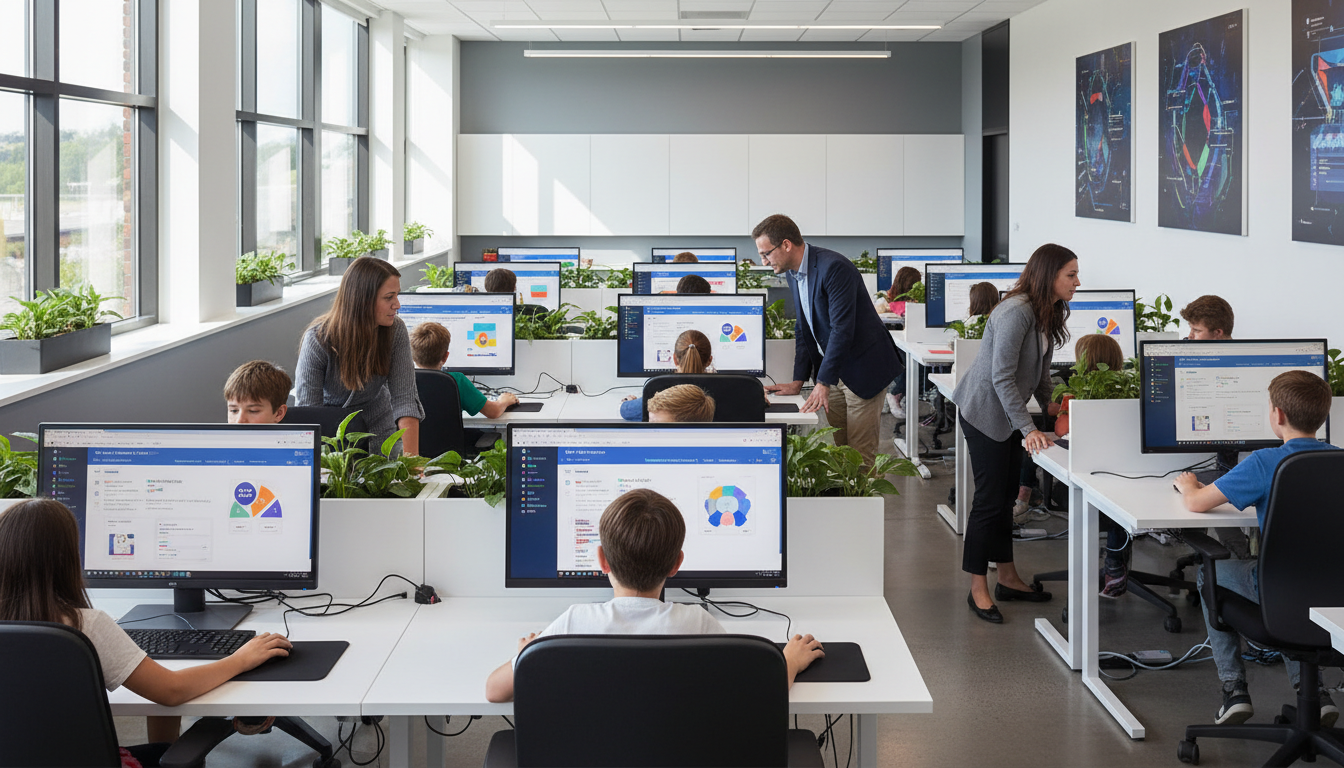
One of the most significant shifts in Malaysian education is the integration of digital learning environments. With the rise of online platforms and resources, students now have access to a wealth of information and learning tools. Schools are increasingly adopting blended learning models, combining traditional classroom settings with online resources to enhance the learning experience.
Virtual Classrooms
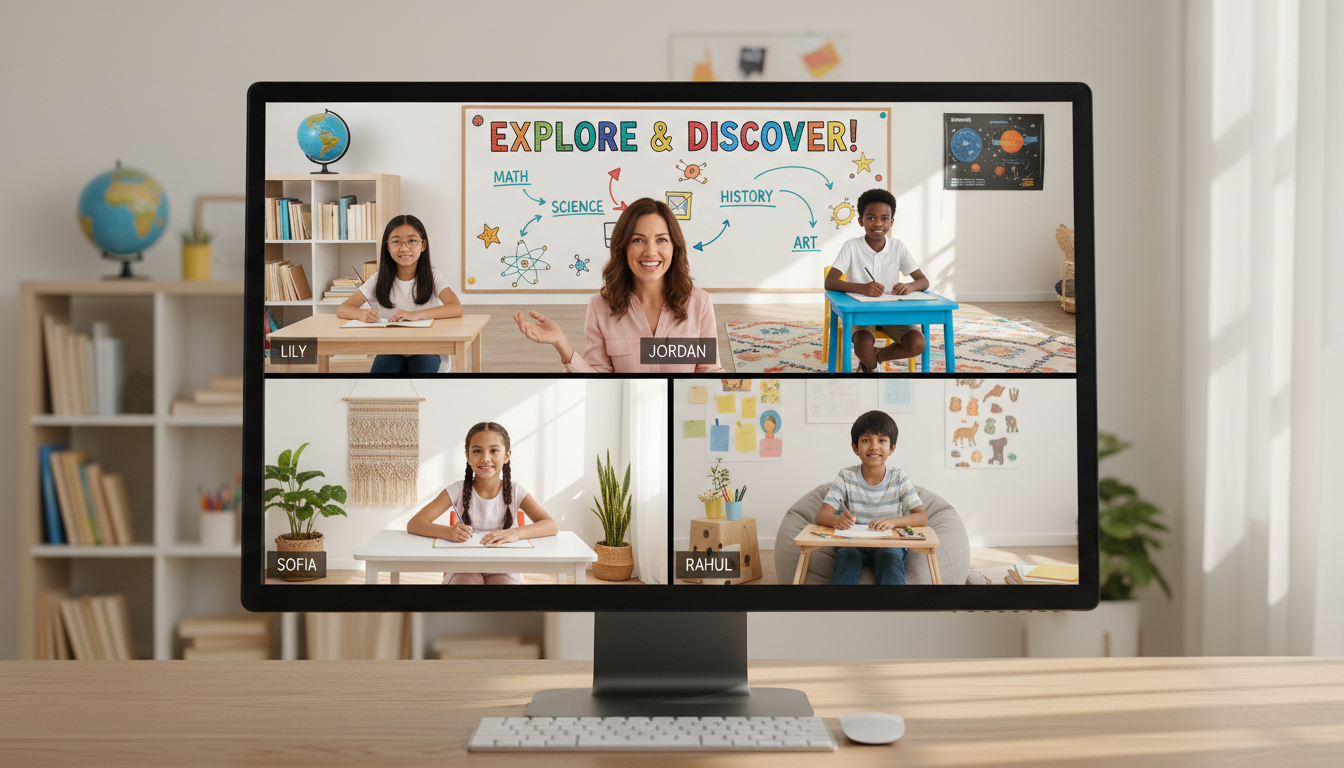
Virtual classrooms have become a cornerstone of modern education. They offer flexibility and accessibility, allowing students to learn at their own pace and from any location. This approach not only supports individualized learning but also encourages collaboration through digital tools.
STEM and STEAM Education
Science, Technology, Engineering, and Mathematics (STEM) education has been a focus in Malaysia to equip students with the skills needed in a tech-driven world. Recently, there's been a shift towards STEAM, which incorporates the Arts, fostering creativity alongside technical skills.
Hands-On Learning
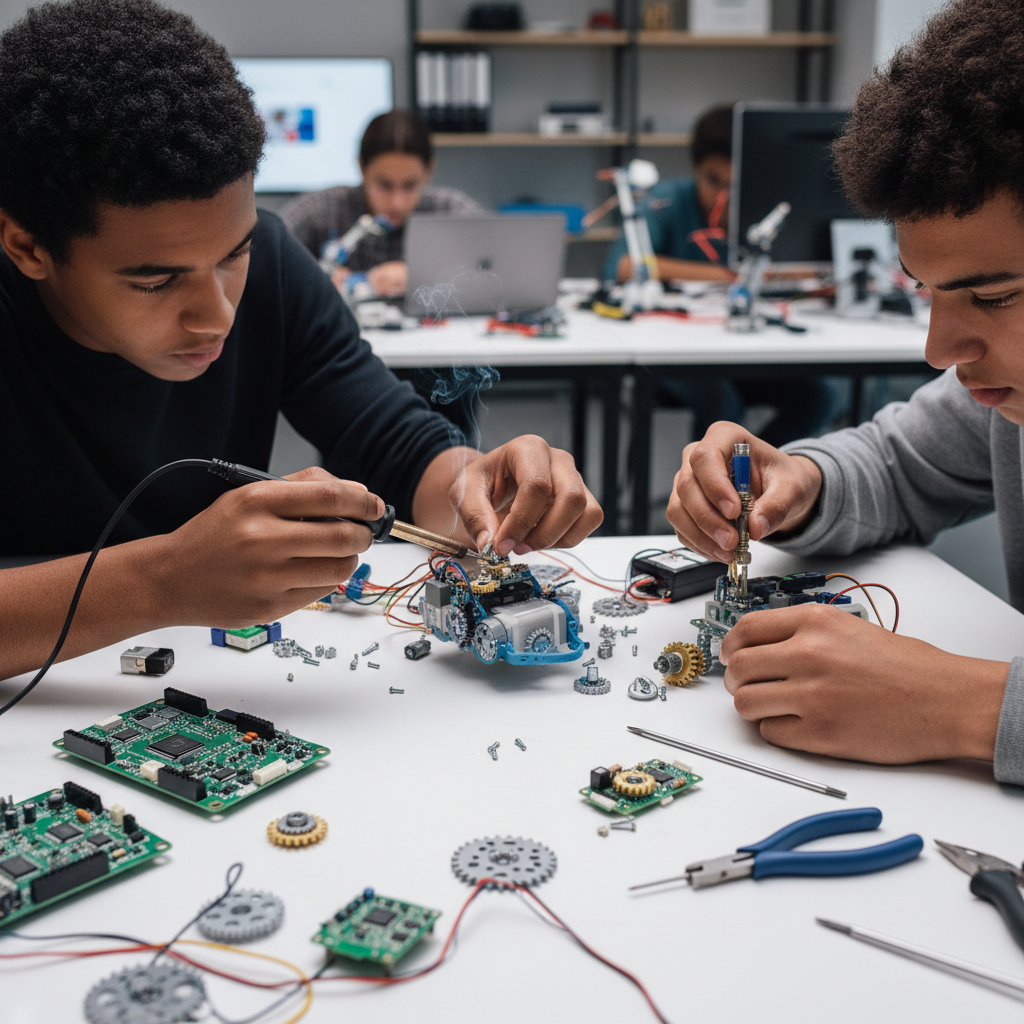
Hands-on learning experiences, such as coding workshops and robotics clubs, are becoming more prevalent. These programs are designed to engage students and spark an interest in the fields of science and technology from a young age.
Personalized Learning
Personalized learning is another trend gaining traction in Malaysia. This approach tailors education to meet the unique needs and learning styles of each student. By leveraging data and analytics, educators can create customized learning plans that enhance student engagement and outcomes.
Adaptive Learning Technologies
Adaptive learning technologies play a crucial role in personalized education. These technologies use algorithms to adjust the difficulty of tasks based on the student's performance, ensuring a challenging yet achievable learning path.

Inclusive Education
Malaysia is also making strides in inclusive education, ensuring that students of all abilities have access to quality education. This involves creating supportive learning environments and providing resources for students with disabilities.
Supportive Technologies
Assistive technologies, such as screen readers and communication devices, are essential tools in inclusive education. These innovations help bridge the gap, allowing all students to participate fully in their education.
Conclusion
The future of education in Malaysia is bright, with numerous innovations and trends transforming the way students learn. By embracing these changes, Malaysia is setting a precedent for educational excellence and preparing its students for a dynamic future. As these trends continue to evolve, the focus remains on creating an education system that is both inclusive and forward-thinking.