
Exploring the Benefits of a Holistic Educational Approach


Understanding Holistic Education
Holistic education is an approach that seeks to nurture the overall development of a student. Unlike traditional methods that focus heavily on academics, holistic education emphasizes the importance of emotional, social, and psychological growth. This approach recognizes that each child is unique and fosters an environment where they can thrive in all aspects of life.

By addressing the needs of the whole child, holistic education aims to create a balanced learning experience. It encourages students to develop critical thinking skills, creativity, and a love for learning. This comprehensive approach not only benefits students academically but also prepares them for life beyond the classroom.
The Core Principles of Holistic Education
Holistic education is grounded in several core principles that distinguish it from conventional teaching methods. These principles include the integration of multiple disciplines, the promotion of experiential learning, and the encouragement of personal growth. By embracing these principles, educators can create a more inclusive and dynamic learning environment.
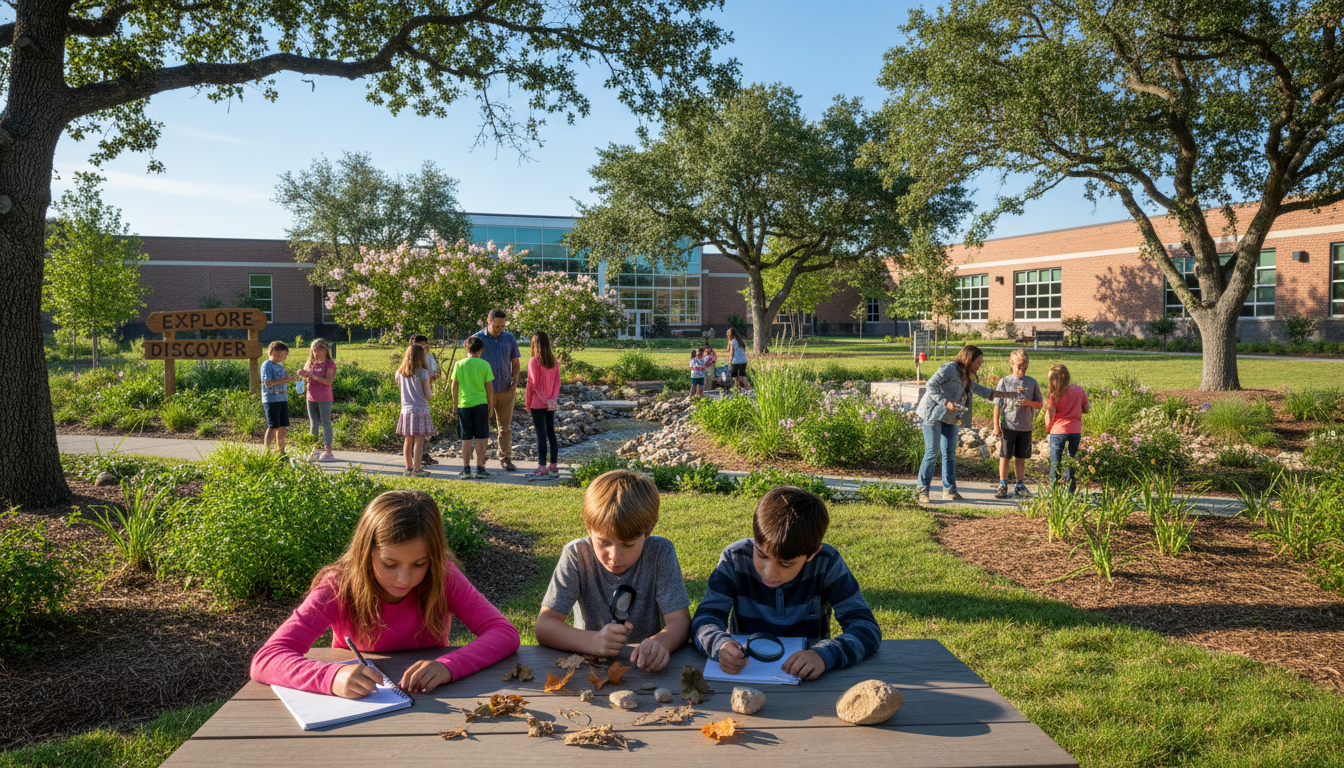
One essential element is the focus on experiential learning. This hands-on approach allows students to connect theories and concepts to real-world situations, enhancing their understanding and retention of information. Additionally, experiential learning fosters collaboration and communication among students, further enriching their educational experience.
Benefits for Students
The holistic approach offers numerous benefits for students. By focusing on the whole person, it helps students develop a strong sense of self-awareness and emotional intelligence. These skills are invaluable as they navigate the complexities of modern life and build meaningful relationships.
Moreover, holistic education promotes a growth mindset, encouraging students to view challenges as opportunities for learning and development. This mindset not only improves academic performance but also enhances resilience and adaptability, equipping students to face future uncertainties with confidence.
Fostering a Supportive Learning Environment
Creating a supportive learning environment is a crucial aspect of holistic education. This involves fostering a sense of community within the classroom, where students feel safe and valued. Teachers play a vital role in cultivating this environment by being empathetic, approachable, and supportive.

By prioritizing the emotional well-being of students, educators can help them develop a positive attitude towards learning. Encouraging open communication and providing constructive feedback further contributes to a nurturing educational setting.
Challenges and Considerations
While the benefits of holistic education are numerous, implementing this approach can present certain challenges. Educators may need to adjust their teaching methods and curricula to accommodate diverse learning styles and needs. Additionally, schools may require additional resources and training to fully embrace this educational model.
Despite these challenges, the rewards of holistic education can be profound. By investing in the development of the whole child, educators can empower students to reach their full potential and become well-rounded individuals.