
Creative Learning Spaces: Transforming Education Environments


The Importance of Creative Learning Spaces
In recent years, the concept of creative learning spaces has gained significant traction in the field of education. These environments are designed to inspire innovation, encourage collaboration, and enhance the overall learning experience. By moving away from traditional classroom settings, educators are transforming how students engage with content and each other.
Design Elements That Foster Creativity
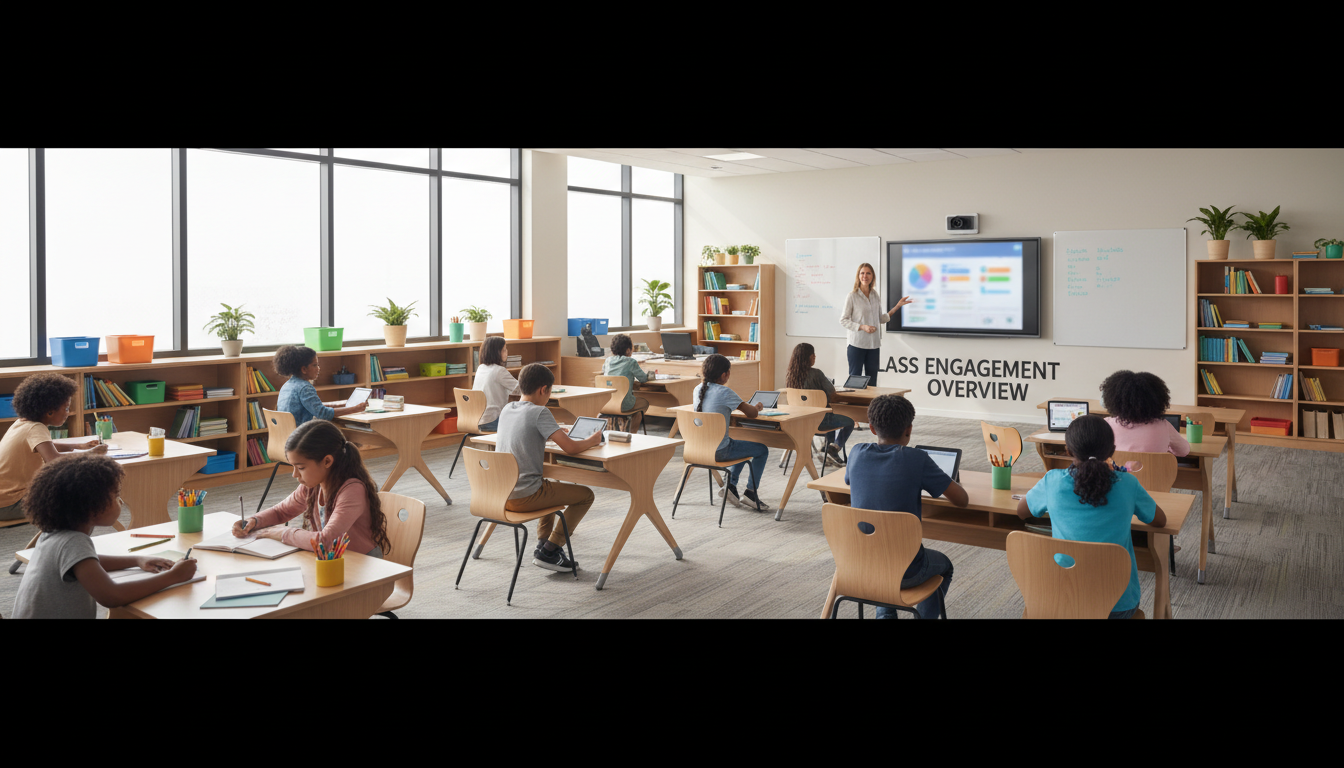
A creative learning space often incorporates flexible seating, dynamic layouts, and vibrant colors. The goal is to create an environment that stimulates the senses and encourages students to think outside the box. Features such as movable furniture allow for easy reconfiguration, enabling both individual and group activities. Additionally, incorporating technology, like interactive whiteboards and tablets, further enhances the learning experience.
Lighting also plays a crucial role in these spaces. Natural light can improve mood and focus, making it an essential element in the design of creative learning environments. Using adjustable lighting solutions can cater to different activities and preferences, providing a versatile and comfortable setting.
The Role of Technology in Modern Classrooms
Technology is a cornerstone of creative learning spaces. It not only provides access to a wealth of information but also fosters interactive and personalized learning experiences. Tools such as virtual reality and augmented reality offer immersive learning opportunities, bringing complex concepts to life in an engaging manner.

Moreover, the integration of learning management systems enables educators to tailor lessons to individual student needs, track progress, and provide timely feedback. This personalized approach helps to ensure that each student can learn at their own pace and style.
Benefits of Creative Learning Spaces
Creative learning spaces offer numerous benefits that extend beyond academic performance. They promote critical thinking, problem-solving skills, and collaboration among students. By providing a space that values creativity and innovation, students are more likely to develop a love for learning and a curiosity about the world around them.
- Enhanced student engagement and motivation
- Improved social skills and teamwork
- Greater adaptability to various learning styles
Implementing Creative Spaces in Schools
Transitioning to creative learning spaces requires thoughtful planning and investment. Schools can start small by updating a single classroom or common area. Involving teachers and students in the design process can also ensure that the space meets the needs of its users.

Schools should also consider partnerships with local businesses and organizations to secure funding and resources. By collaborating with the community, schools can create dynamic and sustainable learning environments that benefit everyone involved.
The Future of Education
As education continues to evolve, the importance of creative learning spaces will only increase. These environments not only prepare students for future careers but also equip them with the skills necessary to thrive in an ever-changing world. By embracing innovation and creativity, educational institutions can provide students with a foundation for lifelong learning.
Ultimately, the transformation of educational environments into creative learning spaces represents a pivotal shift towards a more engaging, inclusive, and effective approach to education. This change is essential for nurturing the next generation of thinkers, leaders, and innovators.